


Mold Structure Optimization for High-Speed Polyurethane Products: Nano-Coating on Spacers Eliminates Edge Oil Residue
Demolding Challenges for Polyurethane Products in High-Speed Applications
In high-end applications such as printing equipment, polyurethane products must maintain stable operation under high-speed rotation for extended periods — placing extremely stringent demands on surface cleanliness and condition.
Take one of our PU products designed for printing equipment as an example. The original mold cavity spacers were made of standard iron with a chrome-plated surface finish. During production, large volumes of mold release agent were required to ensure smooth demolding. However, excessive release agent left oily residue along the product edges. Customer feedback revealed that during high-speed operation, this residue was flung off the product and splashed onto paper surfaces, causing a direct decline in print pixel quality and severely compromising imaging performance.
The core conflict is clear: demolding requirements and product cleanliness are in direct opposition — insufficient release agent makes demolding difficult, while excessive agent triggers end-customer quality complaints. This pain point demanded a fundamental solution at the mold structure level.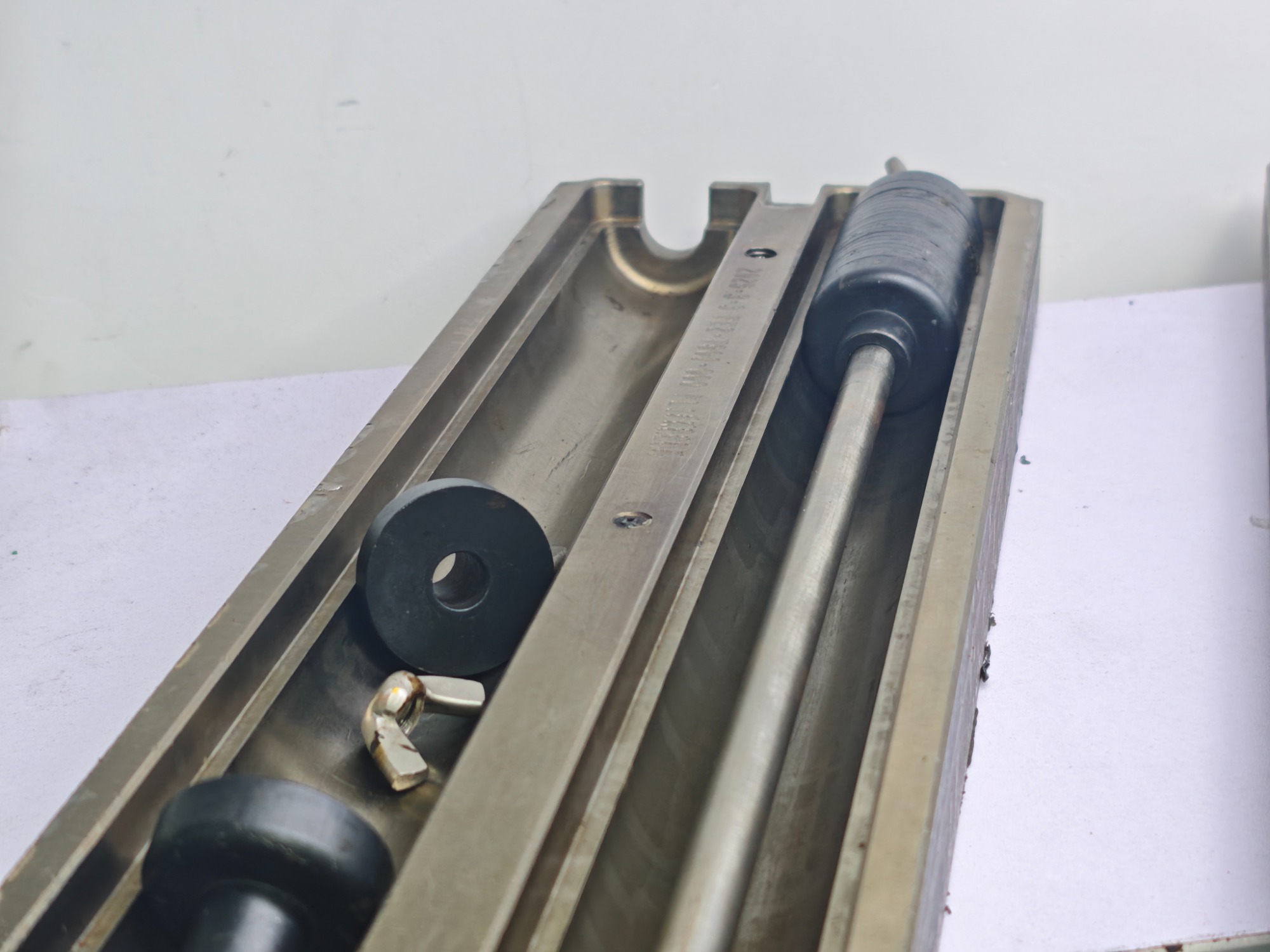
Spacer Nano-Coating: The Key to Mold Structure Optimization
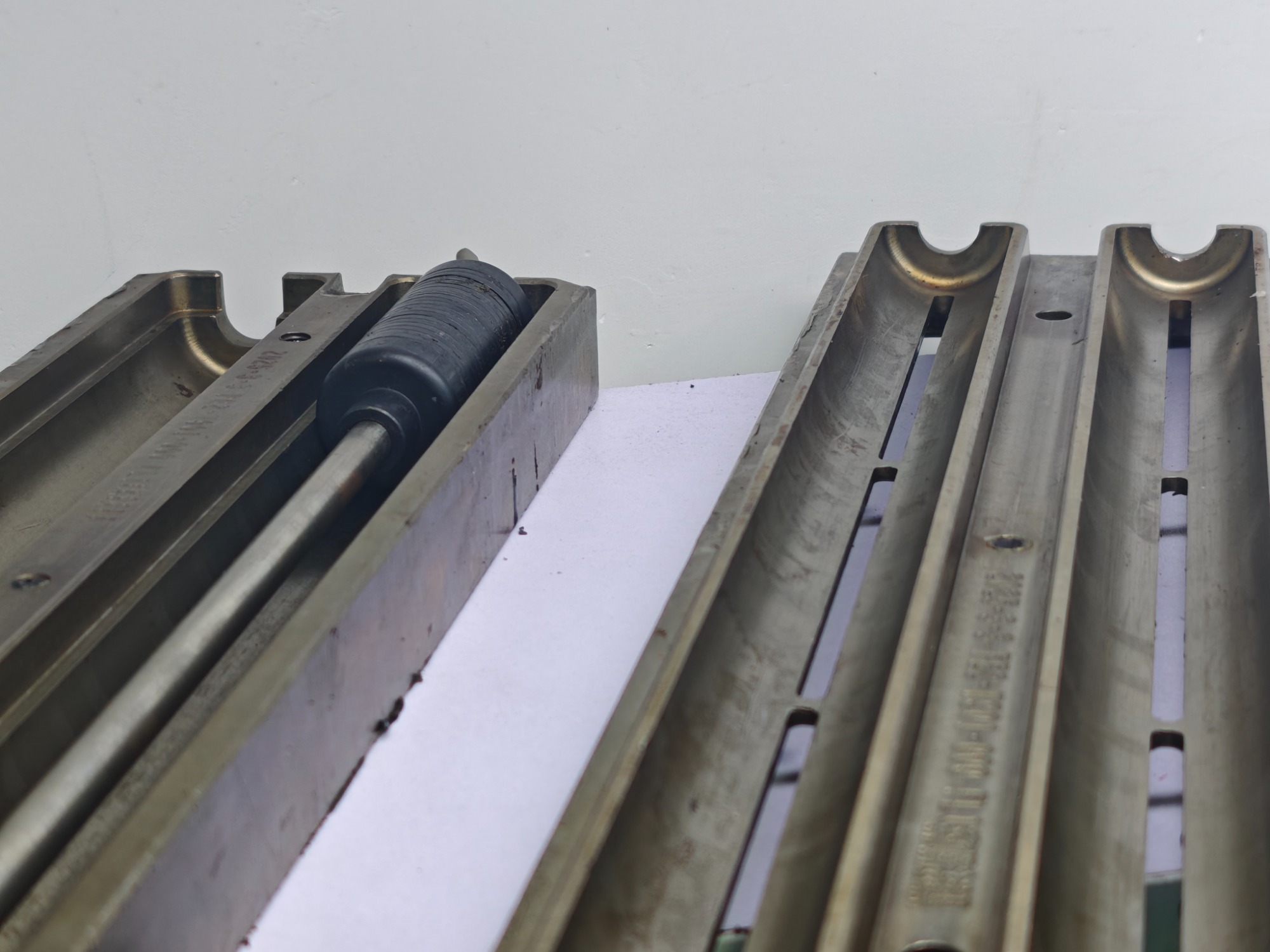
To address the problem, our engineering team conducted a systematic upgrade of the mold cavity spacer material and surface treatment:
- Nano-coating on spacers: Applying a nano-coating to the original iron spacers reduces surface energy for low-friction demolding, fundamentally reducing dependence on liquid release agents
- Release agent formulation optimization: Simultaneously reformulating and diluting the release agent spray concentration, the nano-coating synergy allows far less agent to meet demolding requirements
- Dual-layer protection system: The nano-coating's solid anti-stick layer and the trace liquid release agent's auxiliary lubrication layer form a complementary system, balancing demolding ease with product cleanliness
Results: From Residue Contamination to Clean Operation
Following the spacer nano-coating upgrade, the following key improvements were achieved:
- Edge oil residue completely eliminated: The dramatic reduction in release agent usage directly cut off the source of oily residue — no visible oil traces appear on product edges
- Splash contamination resolved: Clean product surfaces ensure no liquid is thrown off during high-speed rotation, preventing secondary contamination of paper and print media
- Print pixel quality and imaging restored: Customer feedback confirms that once splash contamination was eliminated, print pixel stability and imaging clarity returned to normal performance levels
- Demolding ease maintained: Even with significantly less release agent, products still demold effortlessly — no sticking or extraction difficulties encountered
Continuous Breakthroughs in Precision Polyurethane Mold Engineering
This mold structure optimization demonstrates that our company is continuously overcoming critical technical barriers in the field of precision polyurethane mold engineering. From nano-coated spacers to optimized release agent formulations, every refinement in technical detail drives a leap in product cleanliness and operational stability.
For high-end applications such as high-speed printing equipment, where product surface condition is held to exacting standards, this mold optimization solution provides a more reliable approach — and accumulates valuable practical experience for the ongoing refinement of polyurethane mold engineering technology.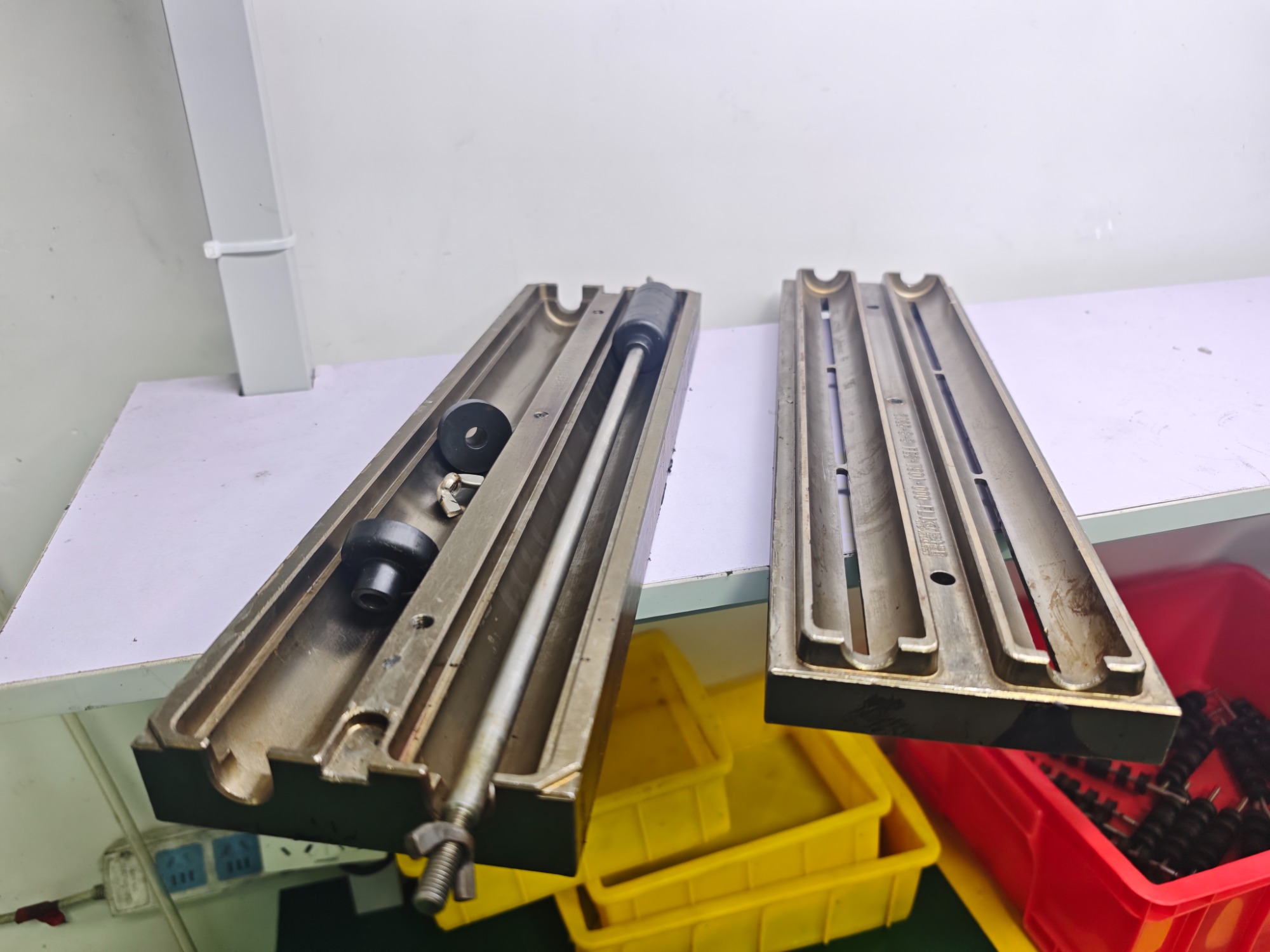
Frequently Asked Questions (FAQ)
Q1: Why does splash contamination occur during high-speed operation of polyurethane products?
When oil-like residue from release agents remains on polyurethane product edges, the centrifugal force generated during high-speed rotation can fling these residues outward. In precision applications such as printing equipment, the ejected liquid splashes onto paper or photo-sensitive media, causing blurred pixels and degraded imaging quality.
Q2: Why do mold spacer material and surface treatment affect product demolding?
Spacers are critical components in the mold cavity that come into direct contact with polyurethane raw material. The surface energy and friction coefficient of the spacer directly determine how easily the product separates from the spacer region. Traditional chrome-plated iron spacers have relatively high surface energy, requiring large volumes of release agent for demolding assistance. Nano-coating reduces surface energy, giving the spacer inherent anti-stick properties that dramatically lower release agent requirements.
Q3: How do the nano-coating and diluted release agent work together?
The nano-coating provides the baseline anti-stick demolding capability, while trace amounts of diluted release agent serve as supplementary lubrication. The two form a complementary system: the nano-coating handles the primary anti-stick function, and the liquid agent only supplements lubrication in locally weak areas — resulting in overall usage far below conventional approaches.
Q4: Is this mold optimization applicable to other high-speed polyurethane products?
The current solution has been validated on a specific printing equipment PU product. For other high-speed polyurethane products with strict surface cleanliness requirements, the nano-coated spacer plus reduced release agent approach has strong reference value and scalability potential. Specific adaptation requires verification based on individual product molding characteristics.