


Revolutionizing Mold Technology for High-Transparency Polyurethane Products: Nano-Coating Breakthrough in Demolding
The Demolding Challenge in High-Transparency Polyurethane Manufacturing
In the field of polyurethane precision molding, the visual quality of high-transparency products has long been a critical industry focus. During production, the demolding process is frequently the key bottleneck affecting final product quality. Heavy reliance on mold release agents can impair light transmittance and surface gloss of transparent PU products, while also introducing contaminants, flow marks, and other visual defects that directly drag down production yield rates.
How to ensure smooth demolding while minimizing the interference of release agents on high-transparency products? This question has become a critical technical barrier on the path of polyurethane molding innovation.
Nano-Coating Technology: A Core Breakthrough in Mold Surface Treatment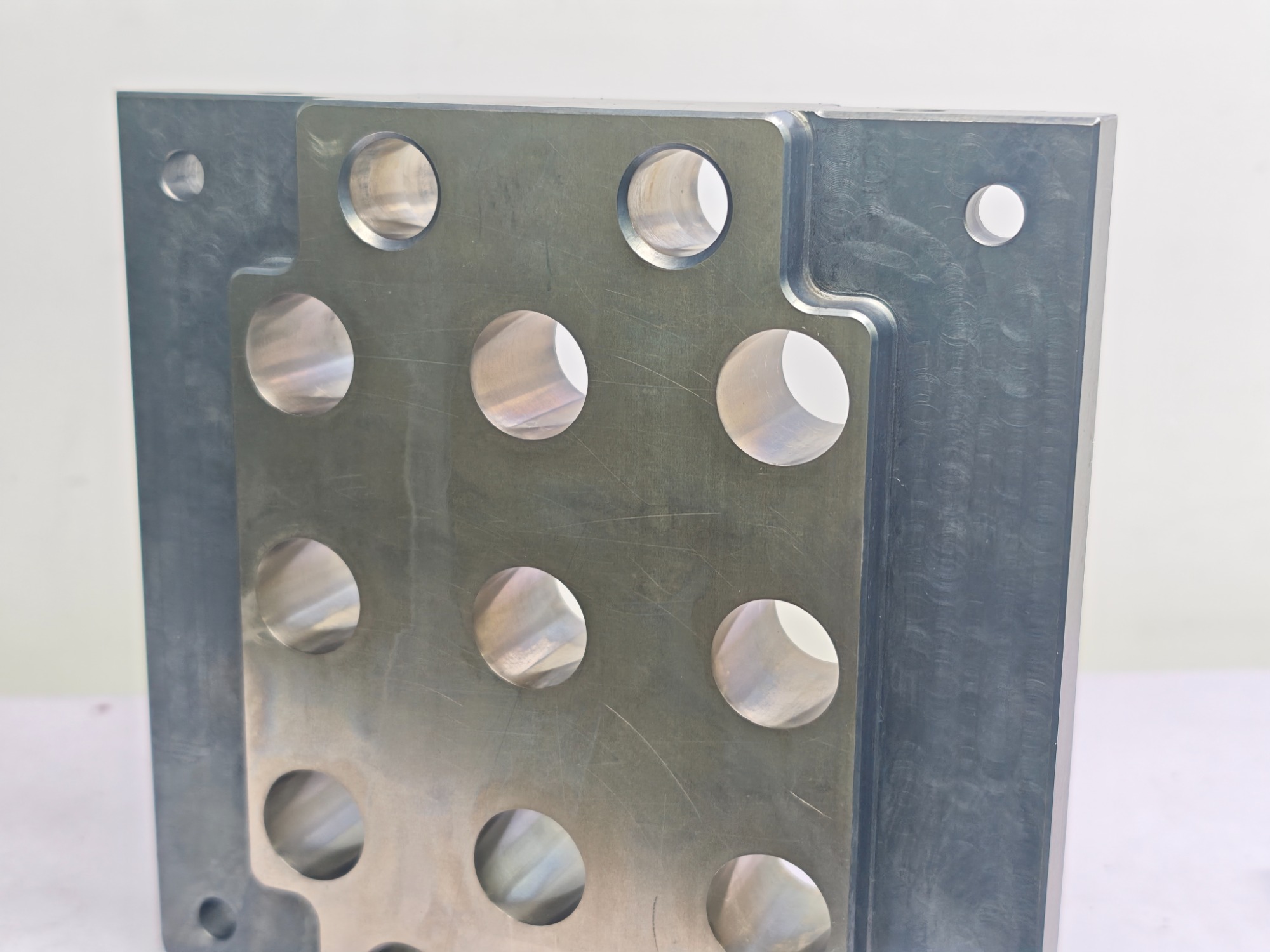
Through sustained research and iterative validation of mold surface treatment technologies, our company has successfully applied a nano-coating layer to the internal cavity of molds used for specific polyurethane products. This coating delivers the following key properties:
- Minimal release agent dependency: Products demold effortlessly with only a trace amount of release agent sprayed — drastically reducing chemical consumption
- Effective dust barrier: The coating prevents dust adhesion, keeping the mold cavity consistently clean
- Rapid cleaning and maintenance: Any incidental dust contamination can be swiftly removed with compressed air, eliminating time-consuming manual wiping
- Full PU material compatibility: The coating does not react adversely with polyurethane raw materials, ensuring the chemical stability of finished products
From Bottleneck to Breakthrough — Measurable Results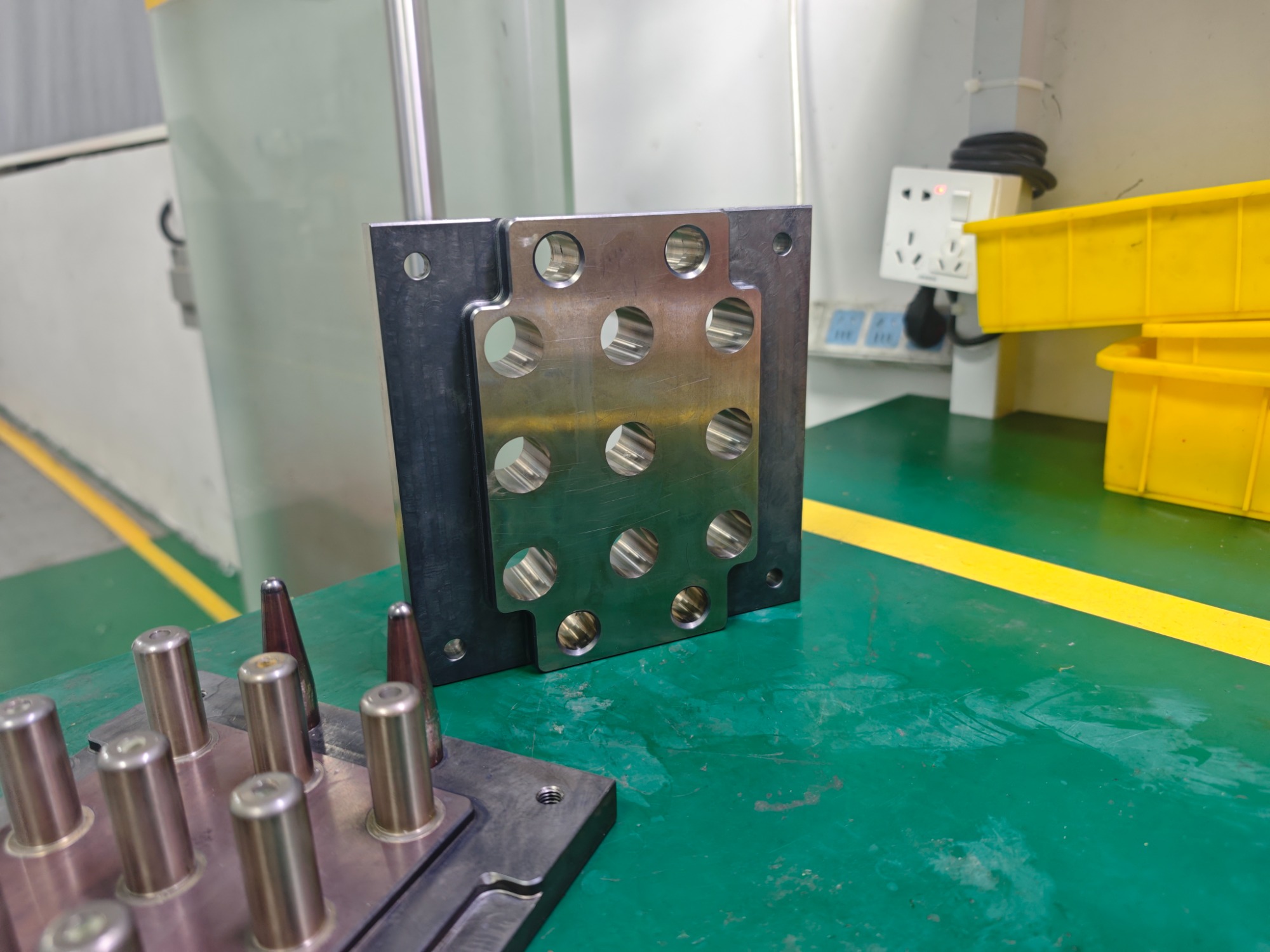
The introduction of nano-coating technology has delivered a series of significant improvements for high-transparency polyurethane production:
- Dramatically reduced release agent usage: The traditional practice of heavy spraying to ensure demolding has been fundamentally changed. A minimal application now suffices, greatly reducing adverse effects on product transparency
- Elimination of surface defects: Contamination particles, flow marks, and fogging caused by release agent residue — persistent issues in conventional production — have been resolved at the root level
- Improved mold cleaning efficiency: Compressed-air cleaning replaces manual wiping, reducing mold maintenance downtime and indirectly boosting line throughput
- Concurrent improvement in yield and quality: Both visual quality and production yield have achieved a step-change, with surface gloss and light transmission uniformity of high-transparency PU products reaching new standards
Future Outlook for Polyurethane Precision Molding
This mold process innovation signals that our company is continuously breaking through technical barriers on the frontier of polyurethane precision molding. The successful application of nano-coating technology not only lays a solid foundation for market expansion of high-transparency PU products, but also provides a new technical pathway and reference model for mold surface treatment across the polyurethane molding industry.
Moving forward, we will continue to advance the refinement and intelligentization of polyurethane molding processes, driving continuous product quality improvement through sustained technological innovation.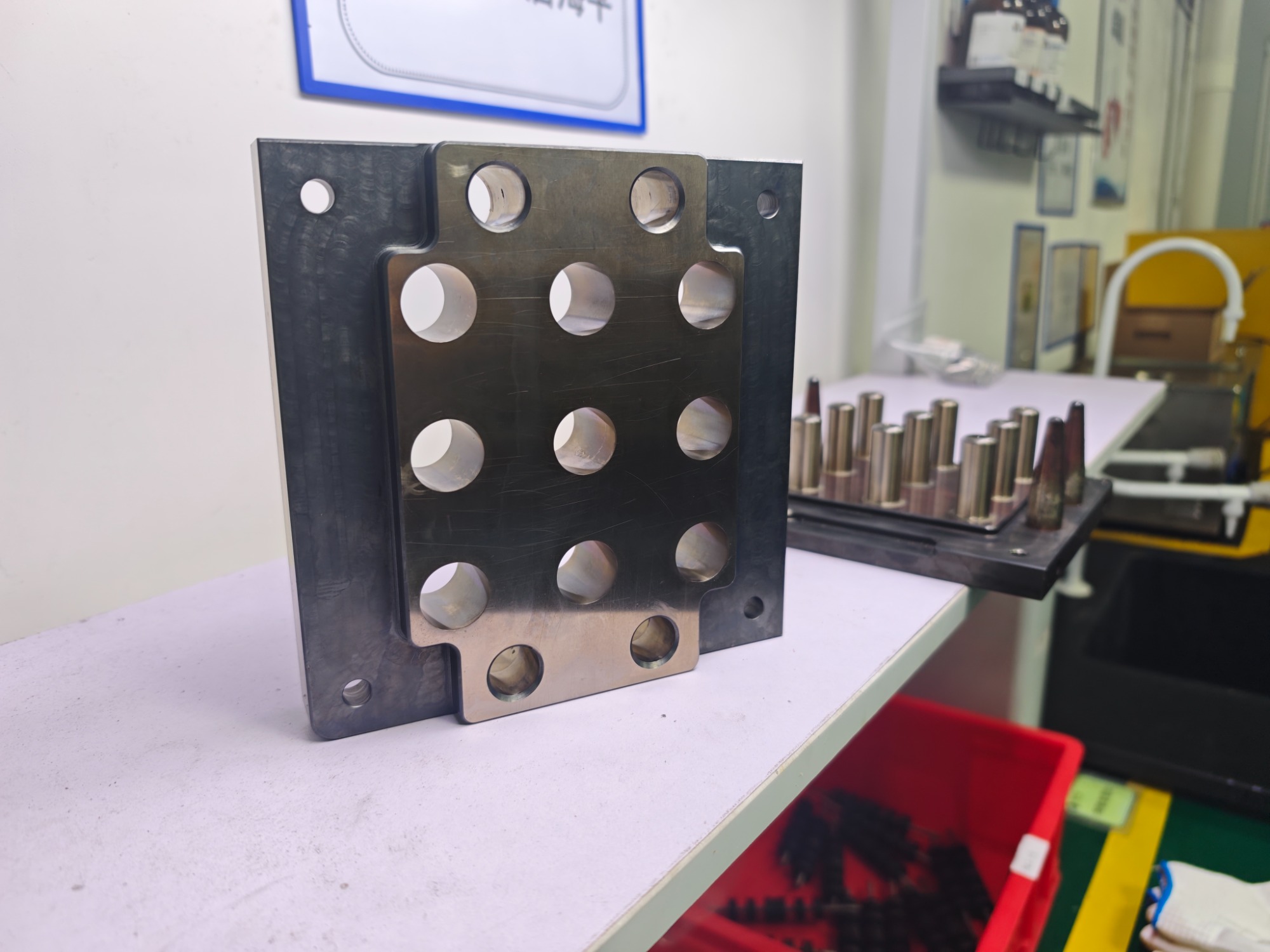
Frequently Asked Questions (FAQ)
Q1: What is a polyurethane release agent, and why are transparent products particularly sensitive to it?
A polyurethane release agent is a chemical spray applied to mold surfaces to prevent PU products from sticking to the mold. For high-transparency PU products, release agent residue forms a fogging layer or flow marks on the surface, directly affecting light transmittance and visual quality — making precise control of release agent volume critically important.
Q2: What is the fundamental difference between a mold nano-coating and conventional release agents?
A nano-coating is a solid thin-film layer bonded to the mold cavity surface that enables demolding by reducing surface energy, whereas conventional release agents are liquid spray coatings. Nano-coating can significantly reduce or even replace liquid release agent usage, eliminating surface defects caused by chemical residue at the source.
Q3: Can the nano-coating be applied to molds for all polyurethane products?
Currently, the nano-coating technology has been validated on molds for specific polyurethane product lines. Future work will focus on adapting and optimizing the coating for different product series based on their molding characteristics, progressively expanding the application scope.
Q4: Is the improvement in light transmittance and surface quality noticeable after adopting nano-coating?
Yes. Because release agent usage is dramatically reduced, transparent PU products no longer exhibit flow marks or contamination caused by chemical residue. Both light transmission uniformity and surface gloss show significant improvement.